Understanding the psychological effects of gambling on decision-making behavior
Understanding the psychological effects of gambling on decision-making behavior
The Nature of Gambling and Its Psychological Allure
Gambling is an age-old activity that has fascinated humans across cultures and epochs. Interestingly, players often find themselves caught in a cycle of hope, fueled by the thrill of a potential win, which can cloud their judgment and alter their decision-making processes. For those looking to explore this further, online gaming platforms like https://mafia-casino.uk/ offer exciting opportunities to experience the thrills of a casino environment from the comfort of home.
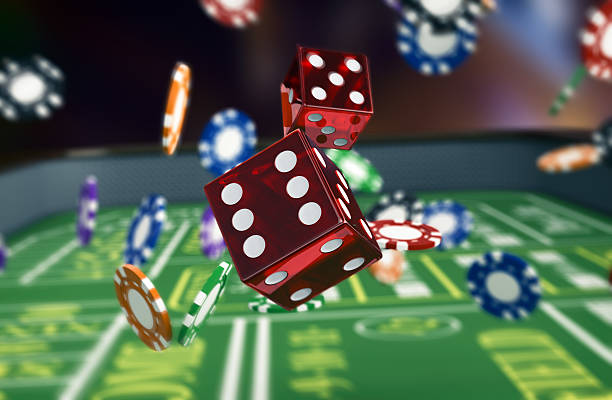
Additionally, the social aspect of gambling amplifies its psychological impact. Many individuals visit casinos or participate in online gambling to enjoy communal experiences with friends or fellow players. This social interaction can create a sense of belonging, further complicating the decision-making landscape. The camaraderie among players can foster an environment where rational thought diminishes, as the thrill of the game takes precedence over practical considerations.
The gamification of gambling—where activities are designed to be engaging and rewarding—adds another layer to its psychological influence. With colorful visuals, captivating sounds, and the promise of rewards, gambling environments are meticulously crafted to maintain player interest. This gamified experience not only enhances enjoyment but also influences players’ decisions, encouraging them to gamble more than they might initially intend.
The Role of Cognitive Biases in Gambling Decisions
Cognitive biases significantly influence gambling behavior and decision-making. One prevalent bias is the “illusion of control,” where players believe they can influence the outcomes of games, particularly in skill-based situations like poker. This illusion can lead individuals to make irrational decisions, as they often overestimate their abilities or understanding of the game. Such biases can diminish the ability to assess risks accurately, leading to costly gambling behaviors.
The “gambler’s fallacy” is another cognitive bias that affects decision-making. This fallacy occurs when individuals assume that past events will influence future probabilities—such as believing that a losing streak must soon be followed by a win. This skewed reasoning can perpetuate a cycle of poor choices, leading players to chase their losses in hopes of reversing their fortune, thereby exacerbating their financial situation.
Moreover, the confirmation bias plays a role in how gamblers interpret their experiences. Players often focus on their wins while conveniently overlooking their losses. This selective memory can reinforce the belief that they possess skill or luck, prompting them to make further bets despite evidence suggesting otherwise. The interplay of these cognitive biases can create a dangerous loop, resulting in continued gambling despite adverse outcomes.
The Emotional Impact of Gambling on Decision Making
The emotional states experienced during gambling profoundly impact decision-making. High levels of excitement and anticipation can lead to impulsive choices that might not align with one’s financial well-being. When players are in a heightened emotional state, their capacity to think critically and analyze risks diminishes, often resulting in decisions that prioritize immediate gratification over long-term consequences.
Conversely, negative emotions such as stress, anxiety, or frustration can drive players to gamble in an attempt to escape their feelings. This emotional connection to gambling can lead to compulsive behavior, where decisions are made more out of a need for relief than rational thought. In this way, the emotional landscape surrounding gambling becomes intertwined with cognitive decision-making, often resulting in harmful outcomes.
The concept of “loss aversion” also underscores the emotional impact of gambling on decision-making. Individuals tend to feel losses more acutely than they experience equivalent gains. This psychological principle can lead to poor choices, as players might take unnecessary risks to avoid realizing a loss. They may find themselves betting higher amounts in hopes of recouping lost funds, which can spiral into deeper financial distress.
Addiction and Its Influence on Decision-Making Behavior
The psychological effects of gambling can escalate to addiction, profoundly altering decision-making behavior. Compulsive gamblers often experience a loss of control, making choices that are detrimental to their financial and personal lives. This addiction can lead to prioritizing gambling over essential responsibilities, affecting relationships, work, and overall well-being. Understanding the nature of gambling addiction is critical for recognizing how deeply it can impact one’s decision-making process.
As addiction develops, individuals may engage in increasingly risky behaviors to support their gambling habits. The necessity to chase losses can result in impulsive decisions, such as borrowing money or using savings intended for other purposes. This cycle can perpetuate financial difficulties, leading to a greater emotional toll and furthering the addiction. The link between addiction and decision-making is intricate and requires careful consideration in treatment approaches.
Moreover, the physiological changes that accompany gambling addiction, such as altered dopamine levels, can affect decision-making. The brain’s reward pathways become desensitized over time, leading to a greater need for stimulation. This can push individuals to make riskier bets or continue gambling despite negative consequences. Addressing these physiological changes is essential in understanding and mitigating the effects of gambling addiction on decision-making behavior.

Mafia Casino: A Responsible Gaming Experience
Mafia Casino UK embodies a commitment to providing a responsible and enjoyable gaming environment. Launched in 2025, the platform offers an expansive selection of over 3,000 casino games, catering to various player preferences while ensuring a secure atmosphere. New members can benefit from enticing promotions, which help to cultivate a sense of excitement without encouraging harmful gambling behaviors.
The platform emphasizes responsible gambling practices, equipping players with tools and resources to manage their gameplay effectively. These features include setting deposit limits, self-exclusion options, and access to support for those who may be struggling with gambling-related issues. By fostering a culture of safety and responsibility, Mafia Casino aims to create a balanced gaming experience that enhances decision-making rather than detracts from it.
In conclusion, understanding the psychological effects of gambling on decision-making behavior is essential for both players and operators. By recognizing the emotional, cognitive, and addictive components involved, individuals can engage in gambling more mindfully. Platforms like Mafia Casino serve to promote healthy gaming practices, ensuring that players enjoy the thrill of gambling without compromising their overall well-being.